
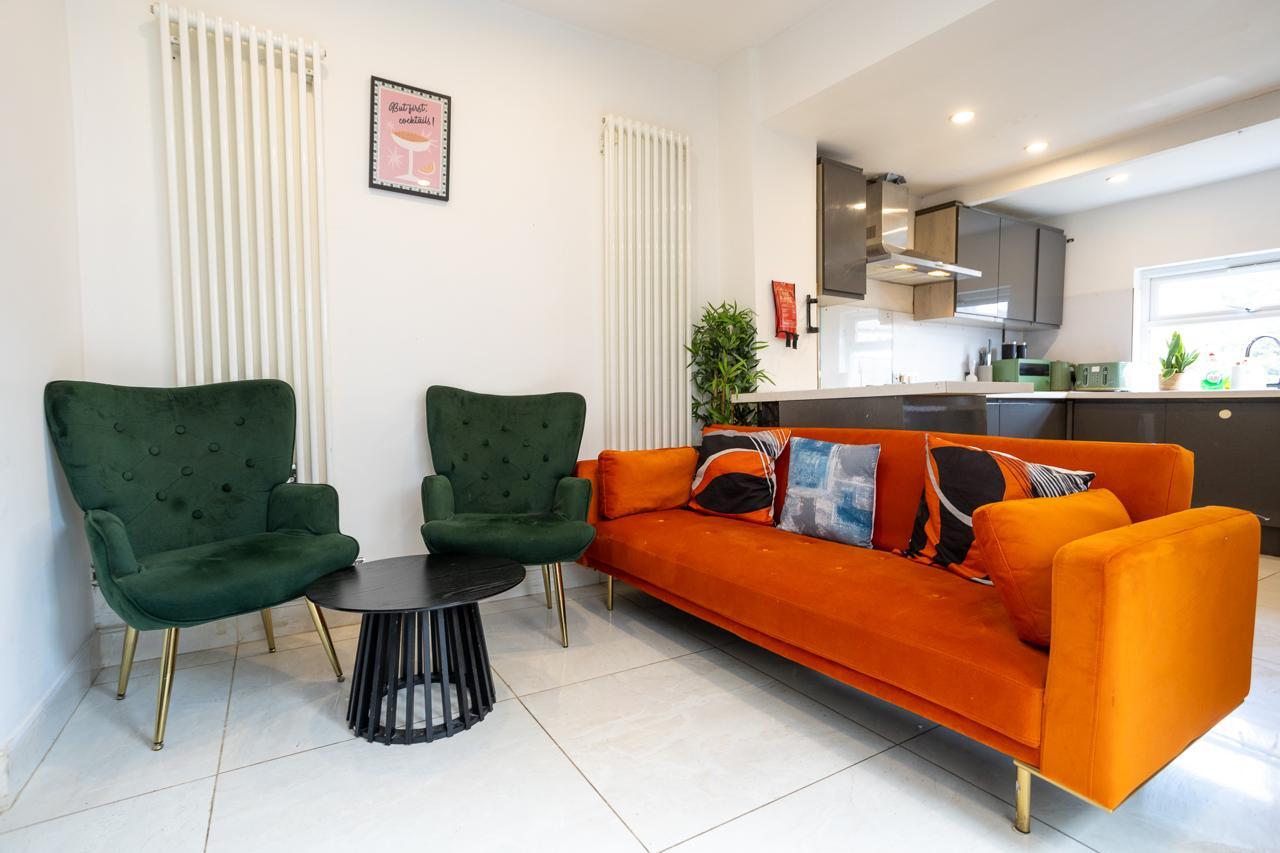
Serviced Accommodation vs Buy-to-Let: Which Property Investment Strategy Is Better?
Property investors today face a very different landscape than they did a few years ago.
Rising interest rates, tighter regulations, and changing tenant expectations have transformed
the property market. As a result, many investors are now comparing two popular strategies:
Serviced Accommodation and Buy-to-Let.
What Is Serviced Accommodation?
Serviced Accommodation (SA) refers to fully furnished properties rented on a short-term basis,
often providing a hotel-like experience for guests. These properties attract business travellers,
contractors, tourists, and people relocating to a new area.
Typical Features of Serviced Accommodation
- Fully furnished interiors
- High-speed Wi-Fi
- Utility bills included
- Professional cleaning services
- Fresh linen and towels
- Guest support and communication
Because guests pay nightly rates, serviced accommodation can often generate significantly
higher revenue than traditional rental properties.
What Is Buy-to-Let?
Buy-to-Let (BTL) is a traditional property investment model where landlords rent a property
to long-term tenants under an Assured Shorthold Tenancy (AST).
In exchange for providing a safe and compliant home, landlords receive predictable monthly
rental income. The strategy is widely regarded as a stable and relatively passive approach
to property investing.
Key Differences Between Serviced Accommodation and Buy-to-Let
1. Income Potential
Serviced Accommodation: Can generate 2–4 times the revenue of a traditional
rental property when occupancy levels are strong.
Buy-to-Let: Provides lower but more predictable rental income with fewer
fluctuations.
2. Workload and Management
Serviced Accommodation: Requires guest communication, cleaning schedules,
pricing optimisation, marketing, and regular property turnover.
Buy-to-Let: Typically involves fewer day-to-day responsibilities due to
longer tenant stays.
3. Regulations and Compliance
Serviced Accommodation: May require planning permissions, licensing,
fire safety compliance, and adherence to local short-term let regulations.
Buy-to-Let: Operates under established regulations such as EPC,
gas safety certificates, EICR, and tenancy deposit protection.
4. Tax Treatment
Serviced Accommodation: May qualify as a Furnished Holiday Let (FHL),
allowing benefits such as mortgage interest relief and capital allowances.
Buy-to-Let: Mortgage interest relief restrictions under Section 24 can
reduce profitability for higher-rate taxpayers.
5. Risk and Market Stability
Serviced Accommodation: Revenue can fluctuate based on tourism demand,
seasonal trends, and local competition.
Buy-to-Let: Benefits from consistent long-term housing demand.
Serviced Accommodation vs Buy-to-Let Comparison Table
| Strategy | Best For | Pros | Cons |
|---|---|---|---|
| Serviced Accommodation | Investors seeking high cashflow | Higher income potential, tax benefits, flexible use | More management, increased regulation risk |
| Buy-to-Let | Investors seeking stability | Predictable income, simpler management | Lower returns, tax limitations |
Final Thoughts
If your primary objective is to maximise cashflow, serviced accommodation can deliver
significantly higher returns than traditional rentals. However, this comes with additional
responsibilities, compliance requirements, and operational complexity.
For investors seeking reliable monthly income and a more hands-off approach,
buy-to-let remains a dependable long-term investment strategy.
Many experienced property investors choose to combine both models—using buy-to-let
properties for stability and serviced accommodation properties for increased cashflow.
Want Advice for Your Local Property Market?
Property regulations, demand, and opportunities vary by region. If you invest in a specific
area such as Scotland, England, or Wales, tailor your strategy to local regulations and market trends.